

Read Time:2 Minute, 34 Second
Summary – Donald Trump’s renewed claims about paid celebrity endorsements in the 2024 presidential race highlight tensions around political influence and campaign narratives.,
Article –

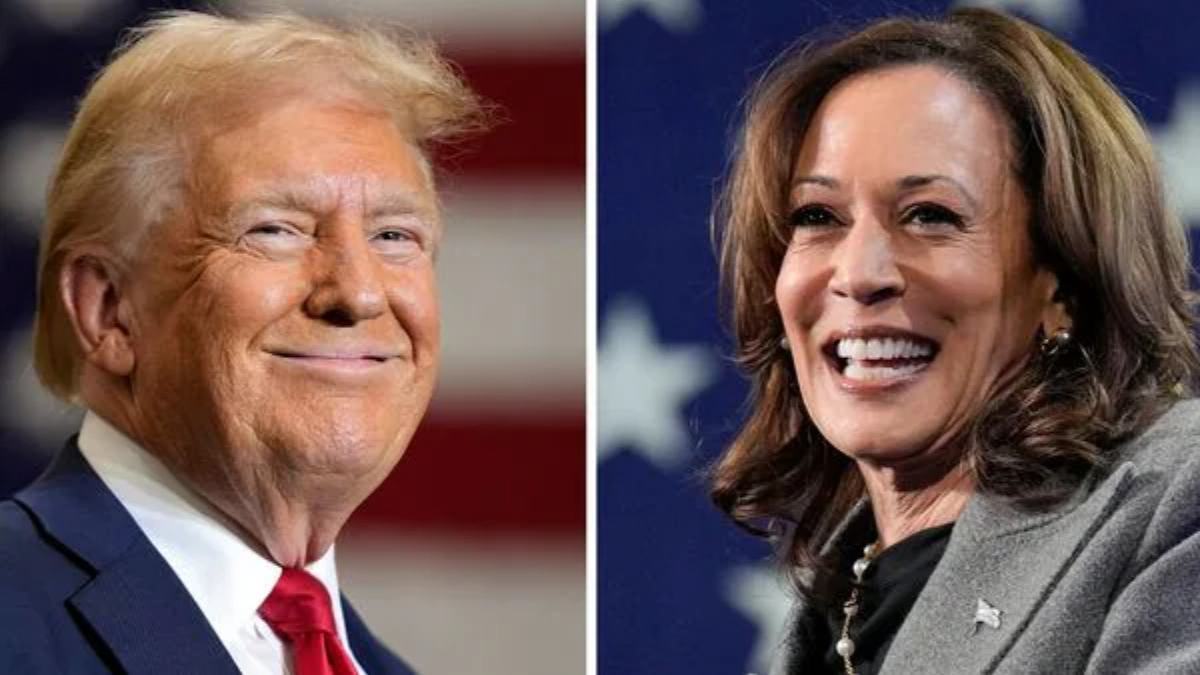
Donald Trump has once again stirred controversy by alleging that several high-profile celebrities, including Beyoncé, have been financially compensated to endorse his 2024 presidential rival, Kamala Harris. This claim has surfaced amid rising campaign tensions as the election approaches, highlighting ongoing debates about the role of celebrity influence in American politics and its implications for voter perception and campaign ethics.
What Sparked the Controversy?
In late October 2024, Trump publicly criticized a handful of prominent entertainers who have openly supported Vice President Kamala Harris, the Democratic presidential candidate. Beyoncé, a major cultural figure with widespread popularity, was specifically named. Trump’s allegations suggest that these celebrities were paid for their endorsements, implying their support was not genuine but rather transactional.
This accusation came at a time when both campaigns heavily rely on celebrity endorsements to energize voters and attract media attention. Trump voiced these claims through multiple public appearances and social media posts, aiming to question the authenticity of his opponents’ political backers and reduce their appeal.
Political and Legal Fallout
The fallout from Trump’s allegations is complex and multi-dimensional:

- Political impact: The claims have intensified partisan divides, with Trump supporters largely accepting the narrative as a valid critique of celebrity involvement in politics. Conversely, Democrats dismiss the allegations as politically motivated and emphasize celebrities’ rights to freely express their political opinions.
- Legal considerations: Federal election laws require transparency regarding compensated election influence through mandated campaign finance disclosures. However, proving direct payment for endorsements is challenging without concrete documentation or admissions. So far, no investigations or legal proceedings have followed Trump’s specific accusations.
Public Sentiment
Public reactions have been mixed and polarized. Supporters of Trump view the allegations as exposing bias within entertainment circles and questioning the legitimacy of celebrity endorsements. Conversely, Harris supporters and progressives see Trump’s remarks as attempts to discredit genuine grassroots and cultural support.
Independent analysts note that celebrity endorsements may motivate certain voter segments but can also raise skepticism about political authenticity. This controversy highlights the delicate balance between influence and manipulation in modern politics, where media presence and image management are crucial.
What’s Next for the U.S.?
As the 2024 election nears, scrutiny of celebrity endorsements and the transparency of political messaging will likely intensify. Trump’s renewed claims might encourage campaigns and regulatory agencies to more carefully monitor how political endorsements are disclosed and regulated.
This episode raises broader questions about the intersection of fame, politics, and democratic processes. Maintaining voter trust demands transparency and accountability, especially when public figures serve as political advocates. The controversy may also prompt the public to critically assess the motivations behind such endorsements.
Overall, this situation illustrates the evolving landscape of political communication in the U.S., characterized by increasing celebrity involvement and growing calls for clarity and honesty. Observers will watch closely to see how the major parties handle these issues and if new policies or practices emerge to govern celebrity-political relationships.


Happy
0 %

Sad
0 %

Excited
0 %

Sleepy
0 %

Angry
0 %

Surprise
0 %
 0
0
 0
0



Average Rating